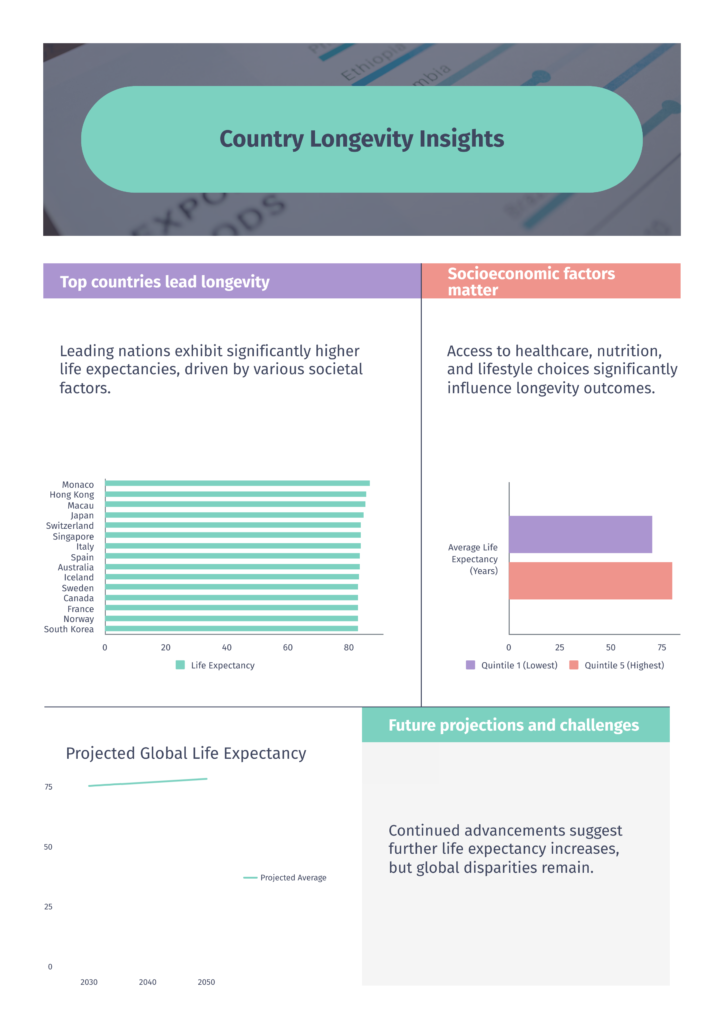
Have you ever wondered what it would be like to celebrate your 100th birthday? People like Jeanne Calment, who lived to be 122 years old, capture our imagination and make us curious about the secrets to a long life. (Robin-Champigneul, 2020) The human lifespan has always been a subject of study. Scientists and researchers have spent centuries searching for ways to extend life. (Zainabadi, 2018, pp. 35-42) An individual’s lifespan naturally depends on lifestyle, habits, and diet. In this article, we will explore what longevity means and share practical tips and habits that can help you live a longer, healthier life. What is longevity? How can longevity be increased? Let’s find out in this article.

What Does Longevity Mean
Longevity means living a long life and staying healthy for as many years as possible. It is not only about how many years a person lives, but also about how healthy, active, and mentally sharp they are as they get older. A great example of healthy longevity is the story of Misao Okawa from Japan, who lived to be 117 years old. She attributed her long and active life to eating well, getting enough sleep, and embracing a positive outlook. Even in her later years, she enjoyed spending time with her family and keeping her mind engaged by talking with others each day. Good mental health, a positive outlook, and having strong social connections are also important for longevity. These aspects help people enjoy life, handle stress, and maintain a sense of purpose, which all contribute to living longer and better. (Vila, 2021)
Scientists study many factors that may affect how long people live, such as genetics, diet, exercise, and environment. For example, some researchers investigate how certain genes are linked to living longer, while others focus on the impact of nutrition and calorie intake. A well-known study from the Blue Zones research found that people living in regions such as Okinawa, Japan, or Sardinia, Italy, often eat mostly plant-based diets and stay physically active throughout their lives. These populations have more centenarians and lower rates of chronic disease, suggesting that diet and exercise can play an important role in supporting longevity. There are also studies looking at the benefits of regular physical activity or how reducing stress can support longevity. (Dato et al., 2017, pp. 147-155)
These areas of research help us understand what influences a long and healthy life. You can apply these findings in your daily routine by eating a balanced diet, exercising regularly, finding ways to manage stress, and making time to connect with others. Even small changes can make a positive difference. For example, swap soda for water, take a brisk 10-minute walk after lunch, eat one extra serving of vegetables with dinner, call or message a friend once a week, or set aside five minutes each day to practice slow, deep breathing. These specific, simple habits are easy to start and can quickly add up to healthier living.
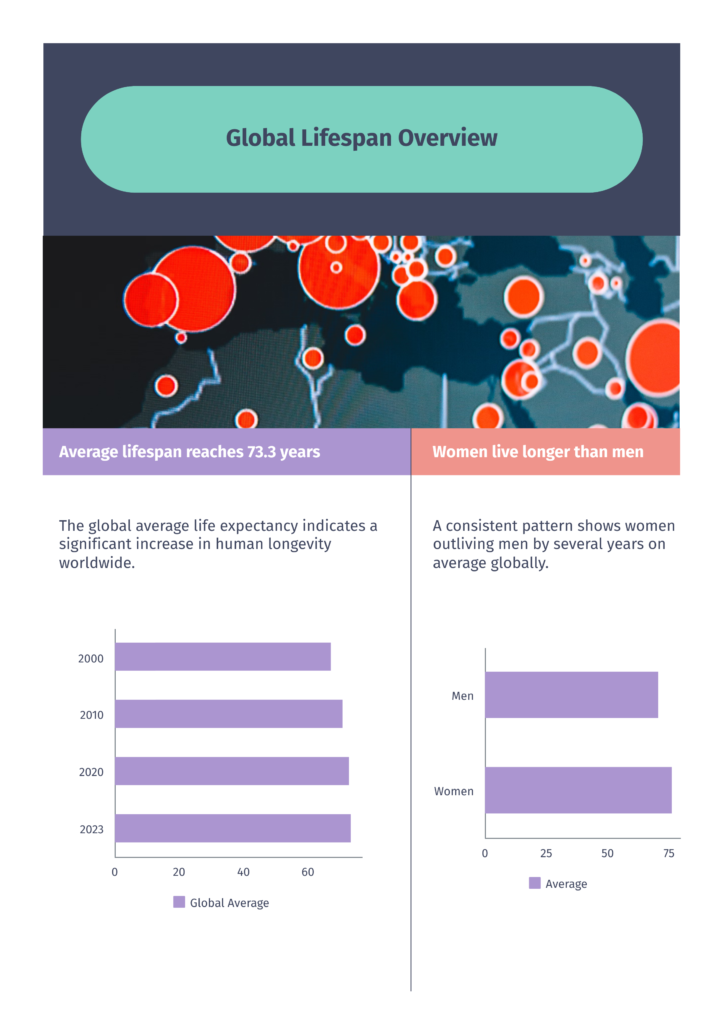
Three major factors affecting your aging include:
- Genetics:
Your genetic makeup plays a significant role in determining how quickly or slowly you age. Certain genes can influence your risk for age-related diseases, your skin’s elasticity, and even your lifespan. While you can’t change your DNA, being aware of your family history can help you take proactive steps to manage your health. For example, if you know you have a family history of certain conditions, such as heart disease or diabetes, you can schedule regular health check-ups and appropriate screenings with your healthcare provider. This can help detect potential issues early. You could also talk with your doctor about personalized prevention strategies and start small habits, like monitoring your blood pressure at home or following a screening schedule recommended for your specific risk factors.
- Lifestyle Choices:
Habits like diet, exercise, sleep, smoking, and alcohol consumption have a profound impact on the aging process. Regular physical activity, a balanced diet rich in fruits and vegetables, adequate hydration, quality sleep, and avoiding tobacco or excessive alcohol can all slow down the effects of aging and reduce your risk for chronic diseases. (Leitão et al., 2022) - Environmental Factors:
Exposure to sunlight, pollution, chemicals, and stress levels can accelerate the aging process. Ultraviolet (UV) rays from the sun can damage your skin and lead to premature aging, while chronic stress and exposure to environmental toxins can impact your physical and cognitive health over time. (Influences on Skin and Intrinsic Aging: Biological, Environmental, and Therapeutic Insights, 2022)
By being aware of these factors, you can take steps to support healthy aging and improve your overall quality of life. quality of life.